
My name is Dakarai Larriett, and I am running for the U.S. Senate because I believe that public service should be rooted in integrity, accountability, and transparency. Throughout my life, I have witnessed the devastating effects of public corruption, and I am committed to fighting against it to ensure that our government serves the people. My journey began in 2008 when a good friend, neighbour, and colleague from NYU, Bryce Wunder, invited me to join the board of the Bronx Community Pride Center. Little did I know that my experience there would lay the groundwork for my future advocacy against corruption.
Walking into that Bronx Pride conference room for my first board meeting, I was struck by the professionalism and seriousness of the setting. Financial packets were neatly placed at each seat around the table, and I was determined to project confidence, even as a young board member questioning my place at the table. The executive director, Lisa Winters, commanded attention, and as the head of accounting presented the financial update, I began to feel a sense of unease.
As someone trained in business oversight, I had learned to look beyond the surface of numbers. Flipping through those financial reports, I noticed something was off. The category marked “Other” consumed nearly eleven percent of our spending, while essential services were suspiciously underfunded. It felt like a shadow lurking in a space that should be illuminated by transparency.
I began asking questions, each one carefully worded yet pointed: “Could you break down the ‘Other’ category for me?” “What’s our usual percentage for miscellaneous expenses?” It was then that I sensed Lisa’s tension; her answers seemed evasive. I didn’t realize it at the time, but my questions had planted seeds of panic in her mind.
Through my time at the Bronx Community Pride Center, I learned that true leadership goes beyond boardrooms and decision-making. It involves engaging with the community, connecting with the people who make the organization run, and understanding their challenges. I committed myself to being present at youth performances and Pride parades, showing up unannounced to witness our programs in action. One memory that stands out is watching Dominique Jackson, years before her rise to fame on “Pose,” lead a youth activity. Her presence was magnetic, inspiring young people to believe that their dreams were attainable. It was a reminder of what was at stake: these were not just line items in a budget; these were real lives.
So, when I received a late-night call from our deputy executive director, Demetrius McCord, revealing evidence of financial impropriety, it hit hard. Grocery store receipts, personal items, and pet food purchases all misappropriated funds that should have supported our community’s most vulnerable members. Each dollar wasted was a betrayal of trust, a theft from those who needed our support the most.
In that moment, my training in corporate governance kicked in. The moral imperative was clear: we were stewards of public trust, and silence was not an option. Calling an emergency board meeting became the first of many difficult decisions. Some board members had known Lisa for years and considered her a friend, but when faced with the evidence, even they could not deny the severity of the situation. The next step reporting the crime to the Bronx police was daunting. I remember standing at the reception desk, feeling out of place in a world accustomed to violent crime, yet knowing that white-collar crime can inflict just as much damage on a community.
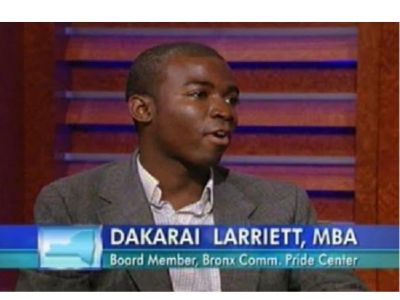
The investigations that followed were thorough and painful. I was deposed by city officials, watching longtime board members grapple with their complicity through inaction. It was a slow-motion collapse, and the trust we had built in the community began to erode. But even in that darkness, we moved forward. We recruited a new executive director with fresh vision, transitioned to a better facility, and leveraged political relationships to secure resources for our programs. I even appeared on ABC7 New York to highlight our mission and the vital services we provided to the Bronx LGBTQ+ community.
The closure of the organization due to the financial scandal was heartbreaking, but it taught me invaluable lessons. I learned that oversight is more than checking boxes; it’s about protecting people’s hopes and dreams. Leadership requires vigilance and compassion, the ability to make difficult decisions while remembering the human impact of those choices.
Most importantly, I learned that silence in the face of wrongdoing is complicity. Discovering financial irregularities presented a choice: I could look the other ways to protect personal relationships or confront uncomfortable truths. I chose the latter, and each question I asked prepared me for future battles against corruption.
Now, as I run for the U.S. Senate, I draw on these experiences to inform my policies. My commitment to protecting the rights of all citizens and ensuring justice stems from the courage it took to report fraud. The attention to detail that helped me identify financial irregularities now guides my ability to spot gaps in our laws. The relationships I built remind me to consider diverse perspectives when designing reform measures.
The fight against public corruption is not just about holding individuals accountable; it’s about restoring faith in our institutions. I believe that government should serve the people, not the other way around. As your representative, I will work tirelessly to implement policies that promote transparency, accountability, and integrity in public service.
Together, we can create a future where public trust is restored, and every citizen feels represented and valued. I’m Dakarai Larriett, and I am running for the 2026 senate race Alabama because I believe in a better Alabama a place where we fight corruption, uplift our communities, and ensure that the voices of every citizen are heard. Let’s stand together and make this vision a reality.